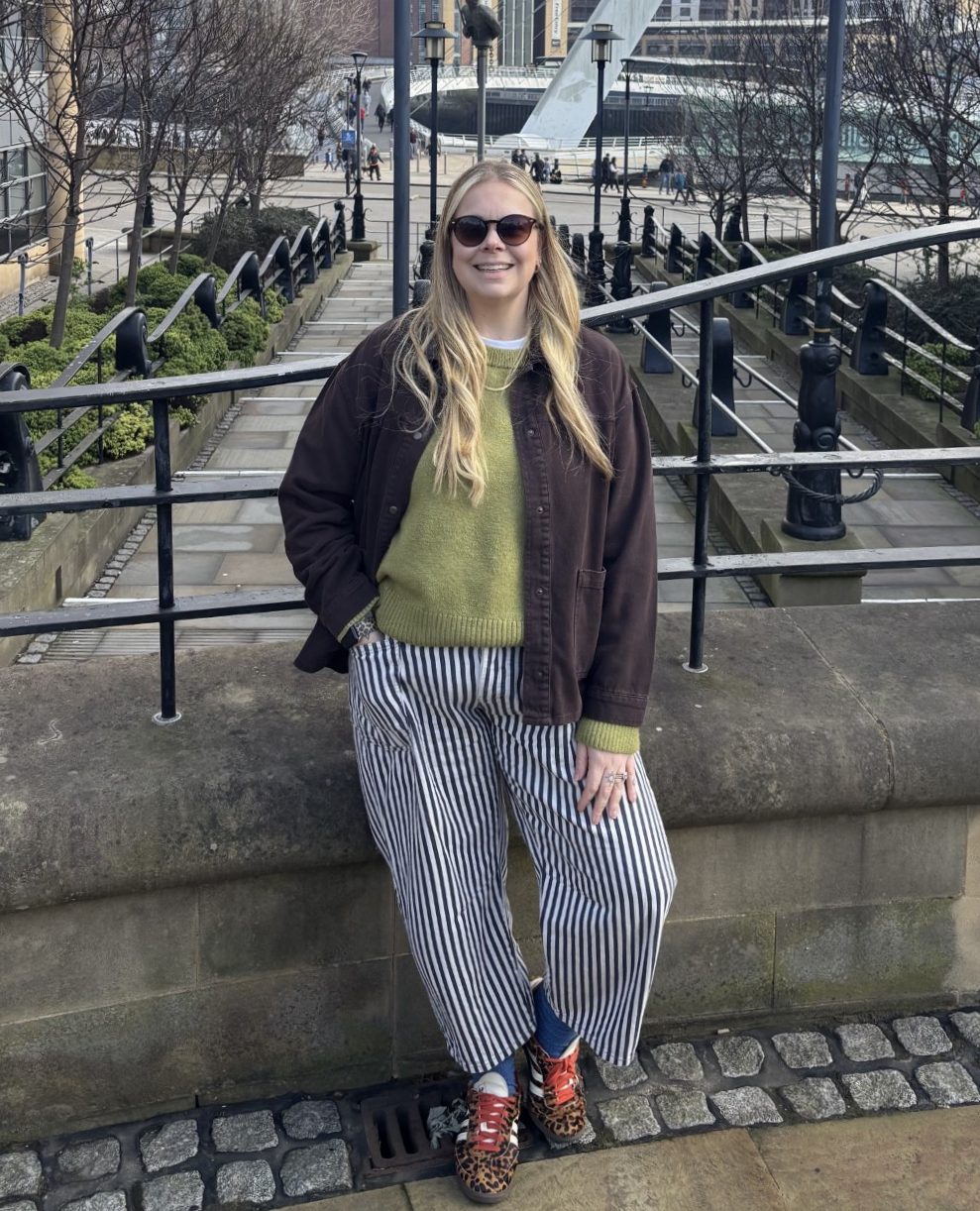
Dr Rowan Tinlin-Dixon
She/Her
Clinical Psychologist | HCPC Registered
Location: Online, UK-wide
Availability: My clinic days are Thursday and Friday. Some evening and weekend availability. Not currently accepting new clients, waitlist closed.
BSc Psychology | MRes Psychology | Doctorate in Clinical Psychology (DClinPsy) | PGDiploma in Cognitive Analytic Therapy
Qualifications & Training
I am an HCPC registered Clinical Psychologist. I completed the Doctorate in Clinical Psychology (DClinPsy) at Newcastle University, after completing both a BSc and MRes in Psychology at the University of Aberdeen.
I’m formally trained in Cognitive Behavioural Therapy (CBT), Systemic Therapy (family and couples therapy) and I am an accredited Cognitive Analytic Therapy (CAT) Practitioner registered with the Association of Cognitive Analytic Therapy (ACAT). I also have training in compassion focussed therapy (CFT), acceptance and commitment therapy (ACT), cognitive behavioural therapy for insomnia (CBTi), and narrative therapy. I am usually guided by the person I am working with and the things they bring to the first few sessions and can draw on these models and frameworks if they fit well with the needs of the person.
Approach
I’m a qualified Clinical Psychologist and Cognitive Analytic Therapist. I have worked in the NHS for over 10 years, and alongside my NHS clinical role I am now taking on some private clients.
My clinical practice is grounded in an affirming, compassionate approach, which acknowledges the importance of our experiences (what has happened to us, rather than what is wrong with us), and the social and relational context of these experiences. I’m passionate about working alongside people whose experiences and identities might not fit neatly into mainstream ideas or society’s binary boxes— whether that’s around family and relationship set up, stigma around mental health diagnoses, neurodiversity and sensory experiences, or gender and sexuality.
During my time working in NHS community mental health services, I worked with people with a range of mental health related diagnoses or distress, for example, PTSD, OCD, anxiety and depression, personality disorders, voice hearing and unusual experiences, work-related stress and overwhelm, grief and loss, attachment difficulties, and sleep conditions. Additionally, I have spent time working in physical health services, supporting those with life changing injuries or terminal diagnoses, and their families, to adjust and process incredibly distressing life changes. In order to work with diverse distress, I lean on transdiagnostic and trauma-informed principles, helping to make sense of distress by exploring the precipitating factors and early life experiences that have contributed to it, rather than solely focussing on the symptoms or diagnosis itself. This means that I like to start from a curious place about your whole life story, and then therapy can become more targeted as we progress and identify things to work on.
In this work, I aim to create a space where you can explore your experiences and life story with care. I draw on both relational and systemic thinking — helping you to consider what’s going on internally with your thought patterns, emotions, embodiment, and relational patterns, but also the wider sociopolitical and cultural contexts that shape how we feel and how we relate to the world. This is always done at your pace, and always with respect for your identity and story.
As a queer neurodivergent clinician, I bring both professional expertise and a lived understanding to the work I do.
Special Interests
Services
Specialising In
- Neurodiversity burn out, ADHD striving and neurodivergent emotional dysregulation.
- Using family therapy approaches to unpick generational trauma and familial relational patterns.
- Understanding and exploring relationship difficulties with partners.
- Postpartum depression, anxiety, and neurodiversity symptoms in people who have recently given birth.
- Exploring parenting and neurodiversity; how overwhelm and dysregulation can lead to feelings of guilt or hopelessness.
- Internalised homophobia and queer identity exploration.
- Relationship diversity and exploring what you need in a relationship with others and yourself.
- Gender dysphoria and internalised transphobia.
- Individual therapy for depression, worry, burn out, relational difficulties, trauma, post-traumatic stress disorder, sleep disorders, grief and loss, adjustment to physical health conditions, exploring identity, understanding neurodiversity, self-esteem and confidence work.
- Relationship therapy for those in a monogamous couple or those in non-monogamous or open relationships, as well as those in polyamorous families. Typically, this could explore conflict resolution, differing communication and sensory needs, trust and jealousy, adjusting to change or loss, navigating separation, intimacy and sex, and fantasies.
- Trauma informed approach to understanding your life story, early experiences, relationships, and themes of power and control.
- Experienced in working with couples and families, informed by training in CAT and also systemic family therapy.
- Neuro-affirming support with burnout, masking, sensory needs, communication, rejection sensitivity, interest and reward based systems, relationships and connection.
- Exploration of sexuality and relationship diversity, intimacy, internalised homophobia and sharing your sexuality.
- Exploration of gender identity, dysphoria, transition, sharing your identity with others, and internalised transphobia.


